The short version
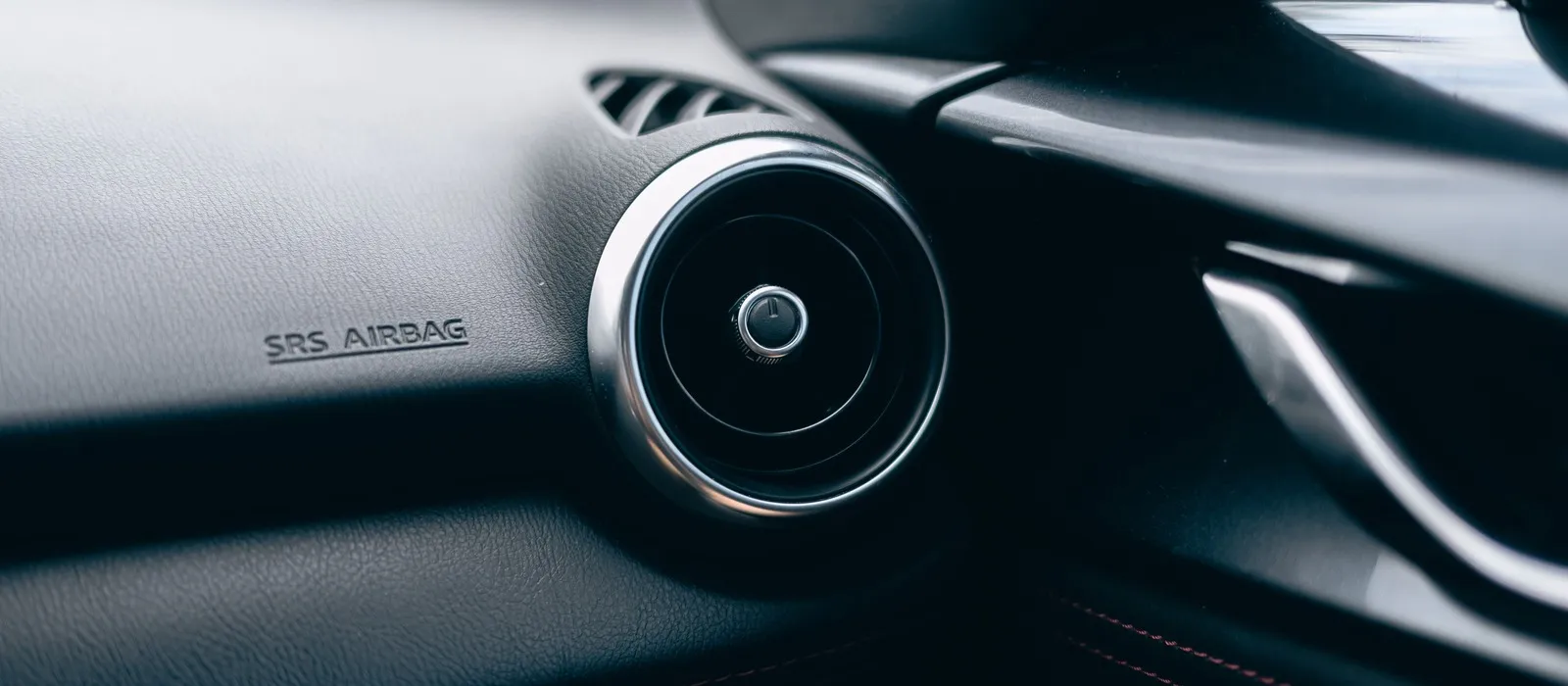
SRS stands for Supplemental Restraint System. The SRS airbag module, also called the airbag control unit or restraint control module, is a small computer wired into your car's crash sensors, airbags, and seat belt pretensioners. It watches the sensors thousands of times a second, decides in a fraction of a second whether a crash is serious enough to deploy, and fires the right airbags and belt tensioners in the right order.
It also keeps a log. When it deploys, it writes a permanent record of the event into its own memory and locks itself so it cannot be reused in an unsafe state. That stored crash data is what keeps the airbag light on after a collision, and it is exactly what an airbag module reset clears.
What the module actually does
Think of the module as the referee for your whole restraint system. Crash sensors around the car feed it constant readings about speed, deceleration, and impact angle. Most of the time it sees normal driving and does nothing. In a real collision, it runs the numbers and makes a call: which airbags to fire, whether to fire them at full or partial force, and whether to lock the seat belts a hair before the bags inflate.
All of that happens faster than you can blink. The module is the reason a modern car can tell the difference between a parking-lot tap and a head-on hit. It is also the reason airbags do not go off when you slam a door or hit a pothole.
What it stores, and why that matters
Once it deploys, the module records the event in a part of its memory that is meant to be permanent. That is the crash data: a snapshot that the system fired and that it should not be trusted to fire again until a technician clears it. Alongside the crash data sit hard fault codes, the SRS trouble codes you can pull with a scan tool. You can look any of them up on our airbag code lookup to see whether it points to clearable crash data or a real hardware problem.
This is the single most misunderstood thing about airbags. The dash light tracks the module's memory, so it follows the stored crash record rather than the condition of the bag itself. You can install a brand new airbag and the light stays on, because the lock sits in the module. That same separation is why a standard parts-store scanner cannot turn it off, which we cover in our guide on whether an OBD2 scanner can clear the airbag light.
Where the module lives
On most vehicles the module is mounted low and near the center of the car, where it is best protected in a crash. Common spots are under the center console, beneath the dash near the transmission tunnel, or under one of the front seats. The exact location and the name of the part change from brand to brand.
Ford and Lincoln call it the RCM. General Motors brands like Chevrolet, GMC, Cadillac, and Buick use the SDM. Chrysler, Dodge, Jeep, and Ram call it the ORC. Honda and Acura just call it the SRS unit. If you want the location and part name for your specific vehicle, find your make on our vehicles page. We list where the module sits and what each brand calls it.
Reset versus replace
After a deployment you have two real paths. If the module itself is electrically and physically healthy, and it usually is, the crash data can be cleared in our shop and the module returned to factory-ready condition. That is the reset, and it is the cheaper route that keeps your original OEM part.
If the module took real damage, water intrusion, or its internal self-test reports a true hardware fault, it has to be replaced. A new module from the dealer often needs programming and costs many times more. The trouble code usually tells us which bucket you are in. For the full breakdown, see our guide on reset versus replacement cost.
One responsibility note
The module is a safety device that governs whether your restraints fire. Clearing its crash data makes sense once the car has been properly repaired and is mechanically safe to drive. On a vehicle that still has unrepaired damage, silencing the light hides a warning you need. Fix the car first, then handle the reset as the last step that arms a properly repaired system.
Have a code you want explained?
Send us your trouble code and your year, make, and model. We have been reading these modules since 1997 and we will tell you what it means and whether a reset will fix it. Asking costs nothing.
Call 501-988-0611